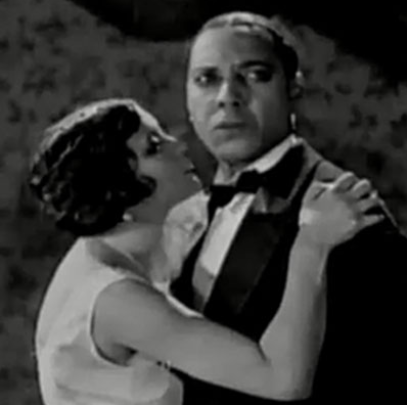
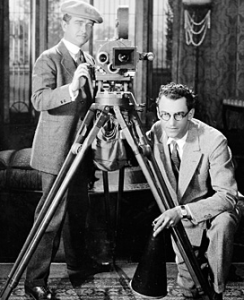
 Today’s multi-billion dollar film industry has very humble beginnings. In the 1800s, inventors such as Thomas Edison and the Lumiere Brothers developed machines that projected images. From the beginning, people were excited by the flickering images which eventually grew into narratives that gave structure and dimension to the play of light and movement. This led to the silent movie era which ranged from approximately 1894 to 1929. Silent movies had no synchronized recorded sound, in particular no audible dialogue. To provide atmosphere such as drama or excitement, live music was played in sync with the action on the screen. The plot and key dialogue was often conveyed by the use of title cards consisting of frames of text, either drawn or printed, inserted intermittently throughout the film.
Many of the early silent films were either dramas, epics, romances or comedies. One-reelers of approximately 10-12 minutes soon gave way to four-reel feature length films. The process of filmmaking matured during the silent era as it was a time filled with artistic innovations and technological advancement. Throughout this period scores of moving pictures were produced creating widely recognized actors and actresses famous for their starring or leading roles in the films.
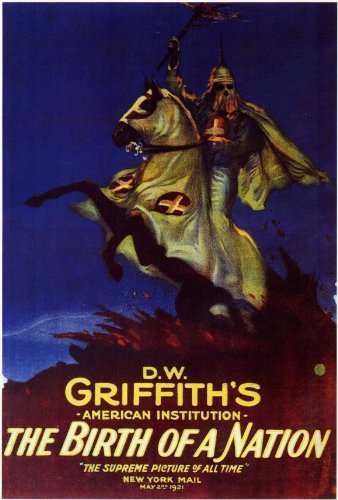
Even without sound the enormous power of the filmed image was realized virtually from the start and its potential for promotion, distortion and disparaging propaganda did not go to waste. The images audiences were exposed to on film often influenced their beliefs and manipulated their emotions. The stories on the screen seemed to unfold in real time and it could be difficult to separate these manufactured images from reality.
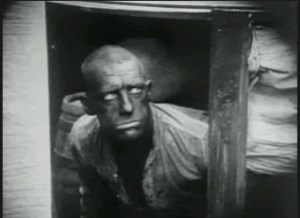
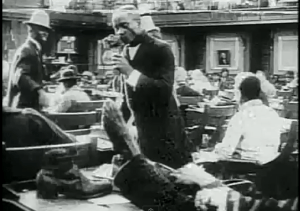
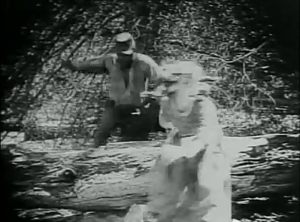
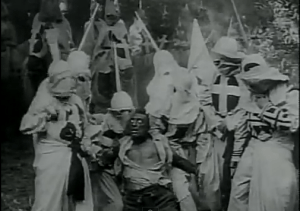
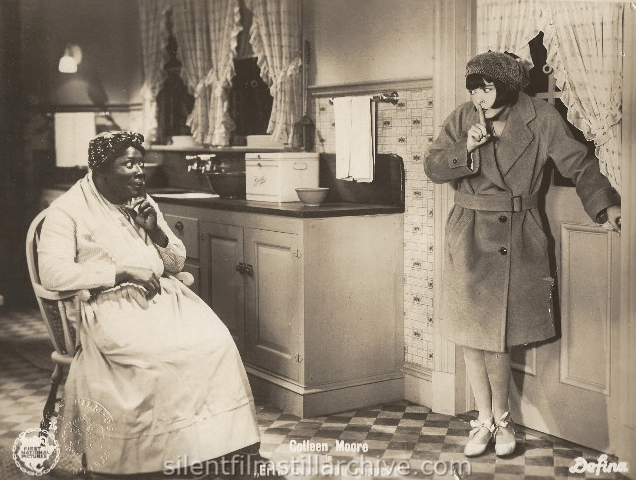 Issues regarding race and ethnicity have permeated American life since colonial times and Motion Pictures transmitted these notions on a grand scale as the incredible power of this new medium was used to perpetuate racist beliefs and create degrading stereotypes. Because the films were written, produced and directed by whites, the characterizations of minorities were embarrassing and crude. These roles were generally played by white actors in make-up as had been the tradition in vaudeville skits. When actual minority actors were employed, their characters were used to further illuminate themes of depravity and decadence. Hispanics and Latinos were portrayed as greasers and bandits; most Asian-Americans were waiters or laundrymen; Blacks were usually cast as servants, simple buffoons or menacing bucks. These roles were not fit for extensive cinematic exploration. Considering the volatile racial climate of the times, even if early Hollywood had wanted to make films that presented a more progressive or tolerant attitude when it came to portraying minorities, theaters showing such films most likely would have been boycotted or worse, burned to the ground.
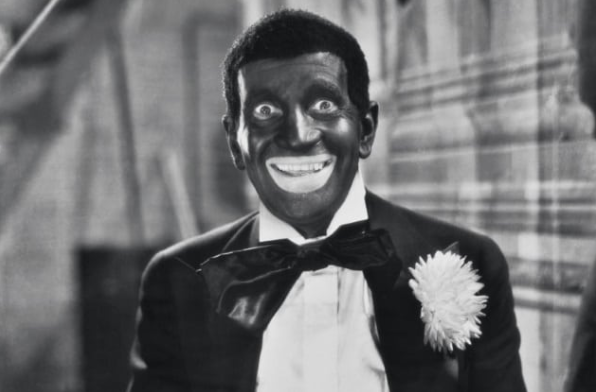
No racial group or ethnicity was more blatantly distorted than African Americans. According to African American Film professor, Jacqueline Stewart, “early films frequently conceal and reveal Black figures, creating discomfort and disorder, intended to amuse, fascinate, and/or alarm white viewers.” During this era movies were a parade of embarrassing, insulting, and demeaning caricatures. Even the titles often reflected this trend: The Watermelon Eating Contest (1903), A Nigger in the Woodpile (1904), Wooing and Wedding of a Coon (1905), The Dancing Nig (1907), and Ten Pickaninnies (1908).
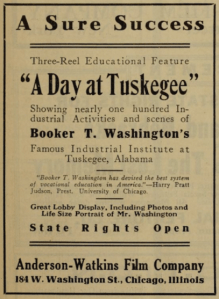 In this era, the first Black filmmakers appeared, determined to tell stories that paid homage to African American life and achievements and present expressions of heroism and bravery, struggle and triumph, love and hate, life and death. Many of the first silent race films were produced by the Hampton and Tuskegee Institutes, and were closely aligned with the racial “uplift” movement, the idea that educated blacks were responsible for the welfare of the majority of the race . A Trip to Tuskegee (1909), John Henry at Hampton (1913), and A Day at Tuskegee (1913) were all products of this historical moment. These films were “actualities”: forerunners to today’s documentaries which showed audiences notable events of the day.
Simultaneously with the Hampton/Tuskegee films, a group of entrepreneurial-minded filmmakers also specialized in making movies to counteract the stereotypical portrayals of African Americans. For this purpose they established production companies such as the Foster Photoplay Company, the Afro-American Film Company, the Hunter C. Haynes Photoplay Company, and the Peter P. Jones Photoplay Company. In time more independent filmmakers – working both outside and within the Hollywood system – released features that altered the look, the perspective and the stories of American movies.
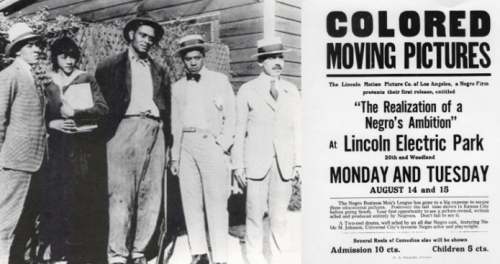
For a list of feature length silent era films specifically intended for African American audiences, see our Silent Filmography page. For a list of African American Actors and Actresses who got their start in the silent movie era, see our Fellas of Silent Cinema and Silent Queens posts.
Sources: The History of African Americans in Movies; The A to Z of African American Cinema; Octane Seating; Video Caption Corporation; Film Bug; Amoeblog; Early African American Film. dhbasecamp.humanities.ucla.edu/afamfilm. Photo Sources: Listverse.com; Normanstudios.org; African American Film Companies/ Michigan State University; Black Girl Nerds; The Library of Congress; Nitrateville.com.


 Race films, both those produced by Black companies as well as White, continued to remain popular with Black audiences through the mid-50s, as they provided stories which reflected experiences that movie goers could relate to and portrayed characters that contradicted White America’s notions of the place of African-Americans in society. It is estimated that more than 500 race movies were produced and distributed between 1910 and 1948, although fewer than 100 of these exist today due to the use of highly flammable and delicate nitrate film stock and the failure to utilize proper storage methods which led to the loss of many early films.
 Black Cinema Connection