Movies are a powerful tool for manipulating facts, information and images that often affect people’s perceptions, beliefs and mental attitudes toward the subject presented. Throughout the history of motion pictures, horror films, like many other movie genres have revealed, through representations, perceptions of Blacks and Black cultural themes, as well as have contributed to and reflected sociopolitical issues. Early portrayals of African-Americans in films could be considered a low level form of horror because on-screen presentations of Blacks, although not intended to terrify or frighten in the classic sense, did promote stereotypical caricatures which cautioned Whites against a particular race of people that they should be afraid of.
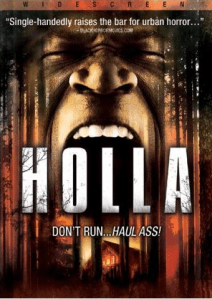 The horror film genre, as defined by Isabel Christina Pinedo in Recreational Terror: Women and the Pleasure of Horror Film Viewing, is composed of the following elements: (1) it disrupts the everyday world; (2) it transgresses and violates boundaries, (3) it upsets the validity of rationality; (4) it resists narrative closure and (5) it works to evoke fear. Another hallmark of the genre is its complexity. Horror films can provide the most spirited, daring, emotional, fantastic and imaginative narratives but can also feature plots depicting shocking, abhorrent, and unspeakable violence. Physical and emotional violence are often central to the horror film and the genre’s reliance on violence as a key narrative device cannot be overlooked.
The horror film is fascinating because it embraces the unthinkable, while also challenging our ideals of good and evil, depravity and innocence, the divine and the profane. It is one of the most provocative forms of entertainment in its scrutiny of our humanity and our social world.
The Black horror genre is comprised of two categories: Blacks in horror films and Black horror films.
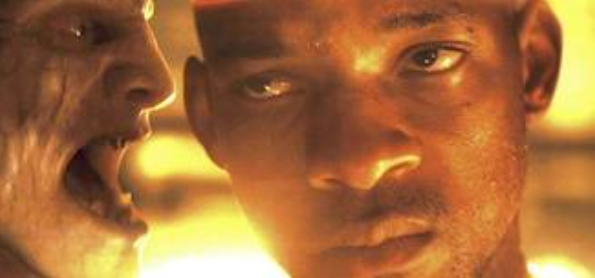
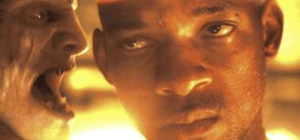 “Blacks in horror” films present Blacks and Blackness in the context of horror, even if the film is not wholly or substantially focused on either one. Such films have historically and typically been produced by major studios for mainstream consumption. Many of these films tend to provoke a consensus of what defines horror films – the disruption of the audience’s notions of rational, fear-free, everyday life. These films have also contributed to debates regarding not only Blackness, but also its proximity to interpretations of what is horrifying and where it is embodied. Examples include Night of the Living Dead (1968), Vampira (1974), The People Under the Stairs (1991), I Am Legend (2007).
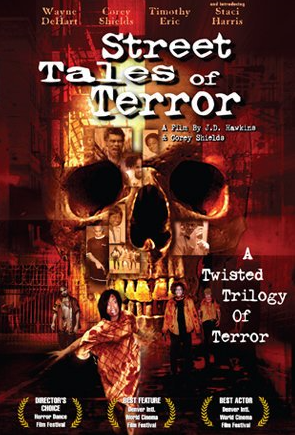
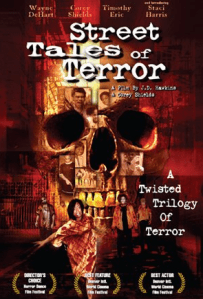 “Black Horror” films on the other hand are often “race” films. That is they have an added narrative focus that calls attention to racial identity – Black culture, history, ideologies, experiences, politics, language, humor, aesthetics, style, music and the like. Blacks may appear in all manner of horror films, but the films themselves may not be Black per se, in their relation to filmmaker, audience, or the experiences they present. Black horror films have one or more of the following elements: a Black producer, writer, and/or director; an all-Black or predominantly Black cast; hails a Black audience; draws on notions of African-American culture – such as Black vernacular, music, style, urban locations and other aesthetics. Films like Son of Ingagi (1940), J.D.’s Revenge (1976), Vampire in Brooklyn (1995), Street Tales of Terror (2004) are included in this category.
Together, “Blacks in horror” films and “Black horror” films offer an opportunity for an examination of how race, racial identities and race relationships are constructed and depicted.
What is not included in the Black horror genre are films that do not provide significant insight into the legacy of Blackness’ relationship to the horrifying. Films where Black characters are incidental or token and where a commentary on Blackness – except to say that it has fleeting relevance – is absent. Such films are those in which Blacks are relegated to the status of victims, sidekicks or largely undeveloped characters.
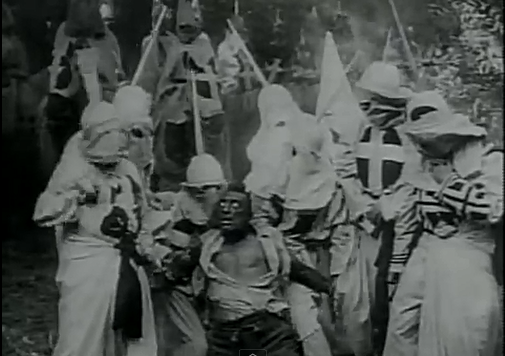
The history of the Black horror genre begins with silent films. Early films, most featuring White actors in blackface, could be interpreted as horror with their depiction of violent physical and psychological attacks against Blacks. These films reflected the sensibilities of the time and presented destructive and biased views of racial hierarchy and White supremacy. The 1915 film The Birth of a Nation offered one of the most insidious and long-lasting stereotypes of Blacks as unintelligent, vicious beasts. It is believed that the film was used as a recruiting tool for the Ku Klux Klan and as such the societal impact of “on-screen” horror provided inspiration for countless “real-life” horrors. 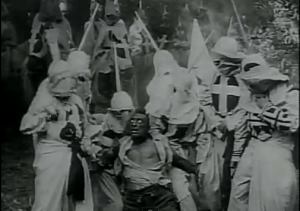 While many Whites were trying to escape the fictitious on-screen dangers of the ferocious Black masses rising up against them, outside the movie theater, Blacks were actually dying from the factual horrors of being lynched, shot, dragged, raped, beaten, castrated and burned by White supremacy groups like the KKK and other enthused racists who bought into that film’s hate inciting message. It is one thing to be vicariously thrilled or horrified by some gruesome act happening to someone else on the movie screen knowing that the actor eventually washes off the fake blood and goes home, and another to actually experience the horrific and gruesome event in real life with no director to yell “cut.”
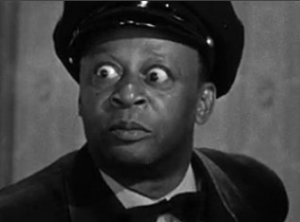
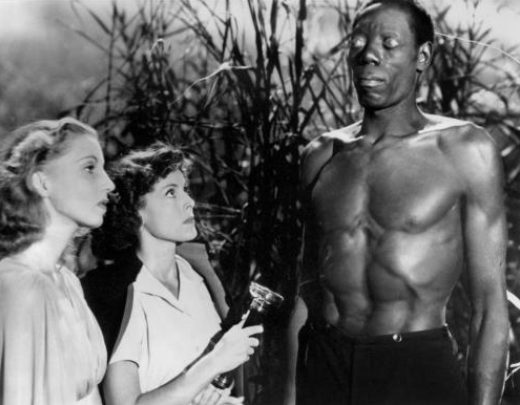
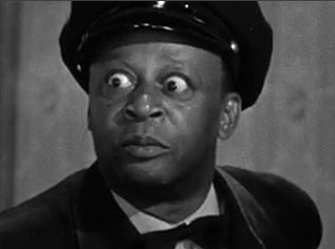
Eventually horror films made the transition to portraying Blacks as a symbol of evil by “exoticizing” and distorting African and Haitian folkways and religions, such as the character of the wicked voodoo practitioner in films such as I Walked with a Zombie (1943) or as partially clothed “natives” in films like King Kong (1933) and White Pongo (1945). 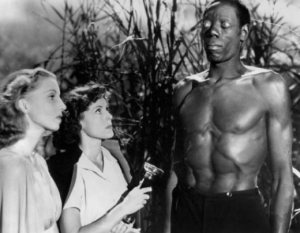 This in turn gave way to an era of characterizing Blacks as comic relief, as a people to be dismissively laughed at and ridiculed. This perception of Blacks as portrayed in mainstream films, is perhaps the most damaging contribution to White society’s image of African-Americans, as there were no contrasting positive images to provide balance. Hollywood films of that time relegated Blacks to subservient characters such as butlers, maids and chauffeurs or they appeared on the screen simply to entertain as stereotypical coons and buffoons. The famous actor Willie “Sleep ‘n’ Eat” Best flapped his lips in a series of spooky Hollywood films while other established funnymen such as Eddie Anderson and Mantan Moreland also became well known for their ability to bug their eyes and shake at the knees in times of panic and fear.
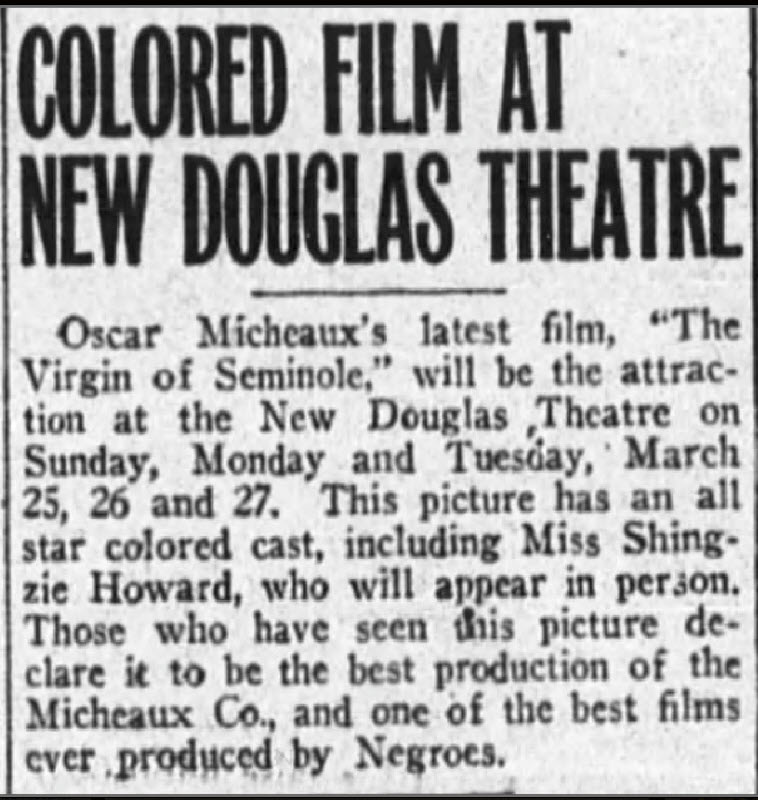
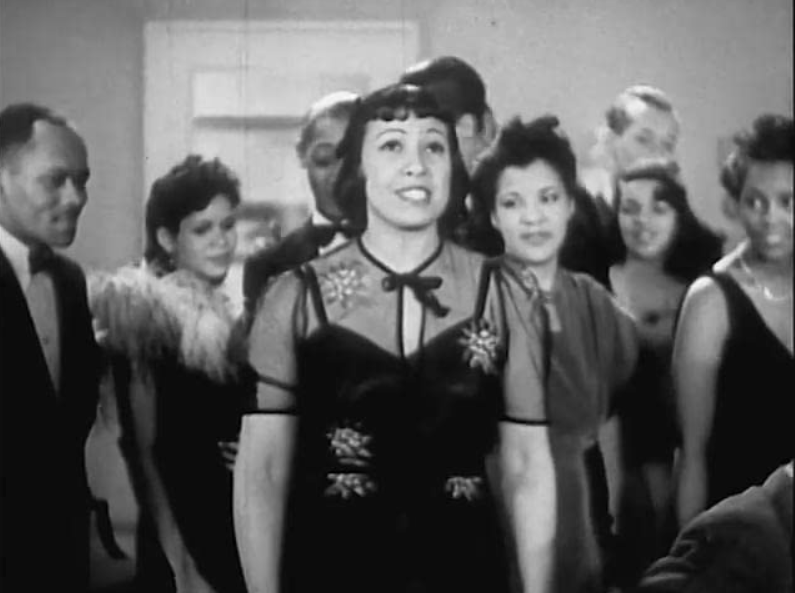
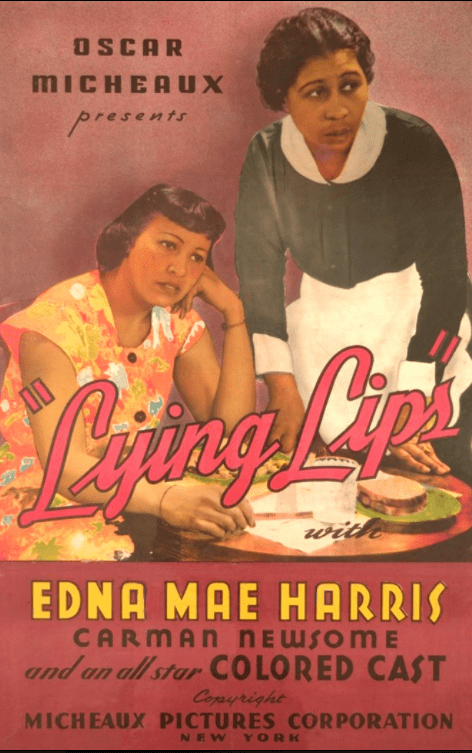
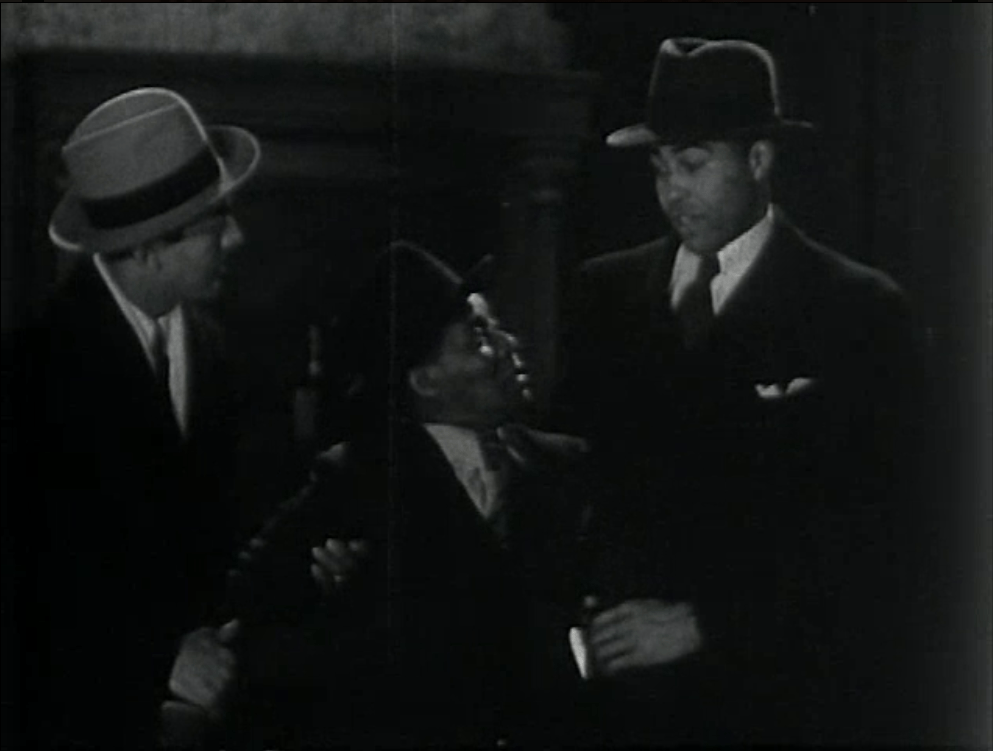
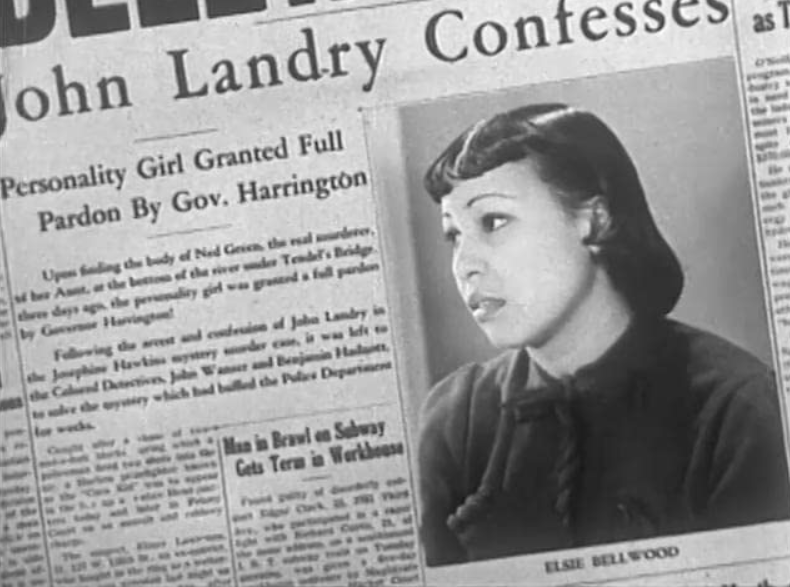
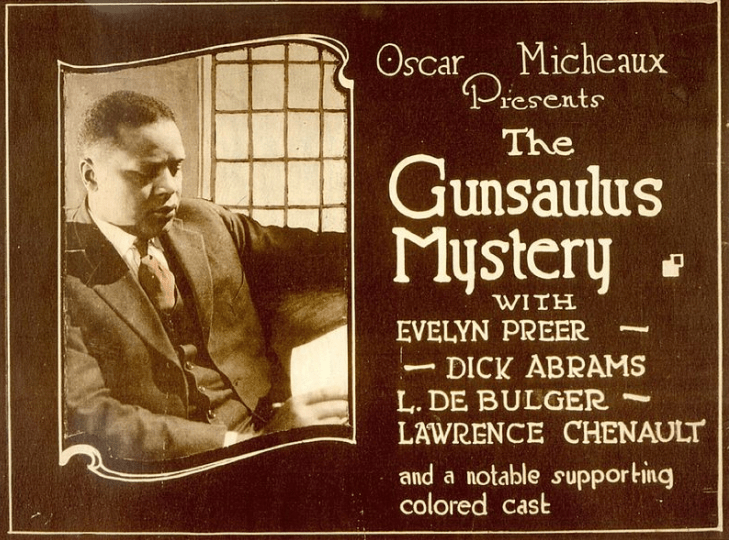
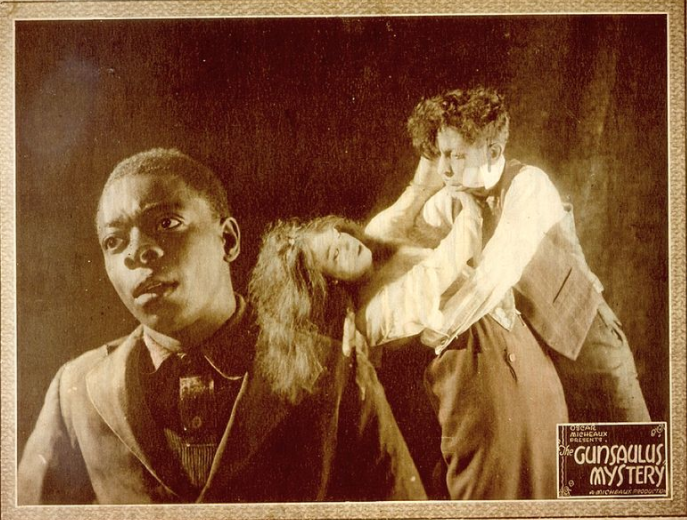
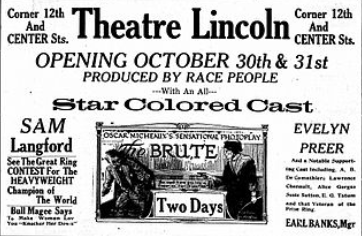
For a much broader spectrum of on-screen images and to counteract Hollywood’s representation of Blacks, films which starred Black actors and featured Black stories, known as “all-Black cast” or “race” movies, began to appear in earnest. Race films were first introduced as early as 1916 by Black filmmakers in response to the negative and racist depictions presented in The Birth of a Nation. With the increase in the production of race films, whether Black produced or otherwise, came the introduction and promotion of a variety of diverse images, presenting complex, multidimensional characters, as well as a broad range of narratives, including fright-films. Among the approximately forty movies made by pioneering filmmaker, Oscar Micheaux, at least three were silent fright-films which more loosely resemble the horror genre of today. Another Black filmmaker who contributed to the genre, was popular actor Spencer Williams, Jr. who wrote and directed a string of movies in the 1940’s that included the horror tale Son of Ingagi (1940). In all-Black cast films, each character, the good and the bad, were all representative of a complete darker hued world that actually reflected real life, but was seldom seen on the silver screen.
In the 1950s when the race film era began to die out, African-Americans were once again virtually ignored by Hollywood. The 1950s and ‘60s saw Hollywood shift its attention from menacing creatures and supernatural evils to technological calamities. The Atomic Age brought terrifying themes of how science and technology can go horribly awry when left unchecked. As Americans found laboratories, space travel and technological advances to be the stuff of nightmares, Hollywood deemed intellectual and inventive achievement out of reach for Blacks and as a result, the appearance of Black characters in horror films were virtually non-existent.
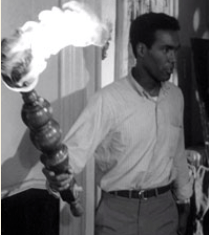 However, in 1968 Blacks returned to the genre courtesy of George Romero’s cult-classic, Night of the Living Dead, a zombie movie the likes of which had not been seen before and which has been copied thousands of times since. In addition to its’ being credited as revolutionizing the zombie subgenre in horror, at the time is was released it directly and overtly addressed America’s social problems and racial climate. To the shock and pleasant surprise of Black audiences, the film featured a complex Black male in a starring role. The character of Ben, played by Duane Jones, was not only allowed to survive through a night of terror in which the dead returned to life to eat the living, but also competently took charge of a horrific situation in a film in which the rest of the cast was composed of White actors. Although in the end, the picture did not stray from the established trend of the demise of the Black character, for the time, Ben was a rare and controversial commodity.
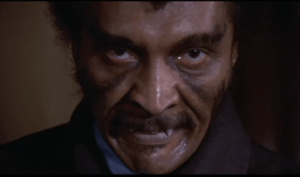
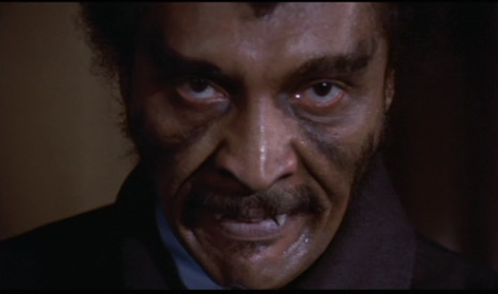
The 1970’s ushered in a new generation of movies which reflected racial pride and social awareness. The Blaxploitation era not only gave movie goers gritty urban street dramas like Shaft (1971) and Superfly (1972), but it also saw the birth of several Black themed interpretations of classic horror tales such as Blacula (1972), Blackenstein (1973) and Dr. Black & Mr. Hyde (1976). Horror films produced during this time frequently advanced the notion of Black empowerment through violent revolution while simultaneously presenting anti-establishment narratives. As this period of on-screen afro-enlightenment faded, the doors of mainstream horror slowly began to open.
The next decade saw a marked decline of the Black Power-inspired film themes seen in the 1970s. In the ‘80s, Blacks were often featured as secondary characters in “buddy” or supporting relationships with Whites. Such portrayals were also found in “Blacks in horror” films. These characters often displayed a value system of loyalty that was generally disproportionate and unilateral (i.e. the Dick Hallorann character in The Shining). In addition, many films during this period moved White monsters and prey to locales often viewed as inaccessible to Blacks. These included suburban or rural settings such as Elm Street (A Nightmare on Elm Street), Haddonfield, Illinois (Halloween) and Camp Crystal Lake (Friday the 13th).
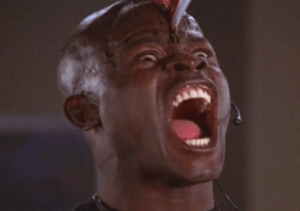
Lastly, this period is also considered by many as the pinnacle of Hollywood’s “kill a negro” or “kill a nigga” phase. Not only were the vast majority of Black characters in horror movies killed off, they were most often among the first to die.
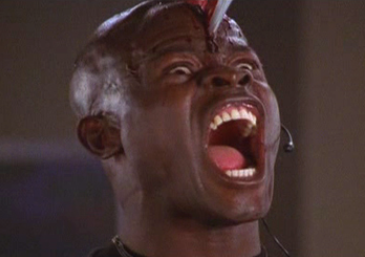
The 1980s was a time when there were very few independent Black films being produced in the genre. But in the ‘90s things began to change dramatically with a force that had not been seen since the Blaxploitation era. Several horror films were being made by African-Americans including Def by Temptation (1990), Tales from the Crypt: Demon Night (1995), Embalmer (1996), and Beloved (1998). The 1990’s hailed the return of “Black horror” movies defined by the reintroduction and recognition of fully realized characters and themes, representing a new generation of race films. Black horror films in the 1990s also offered a reversal of racial majority/minority roles. In these films, there is often a self-consciousness in the narrative that makes it clear that the disruption and reversal of type is purposeful – part retribution, part redemption (i.e. Tales from the Hood). Films of this era additionally presented the battle of good and evil as being played out within the confines of predominantly Black, lower and/or working-class urban communities.
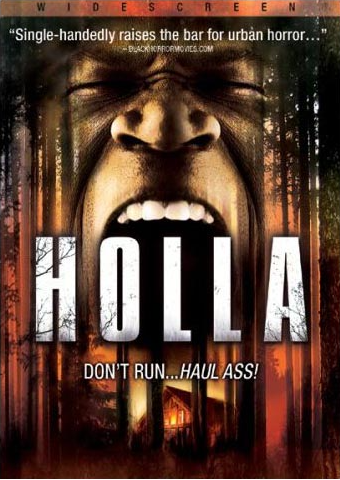
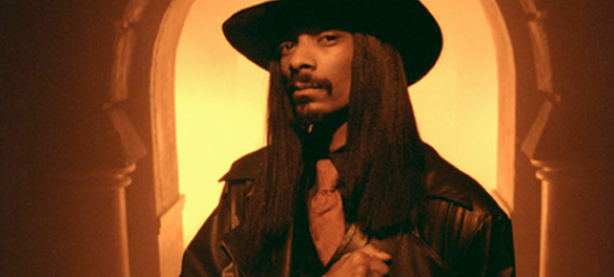
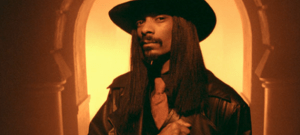 The new millennium saw an onslaught of “Black horror” films inspired by hip-hop culture and many featured hip-hop artists in leading roles. These films continue to present an allegiance to the ‘hood as seen in the 1990s. However in the 2000s, an explicit rationale for such a geographical focus is the historical and aesthetic credibility such places promise and are often set, to a hip-hop beat. There is an abundance of “Black horror” films during this period, some of which evidence great imagination and creativity and others great mediocrity, due to the proliferation of underground and low-budget films produced for the expanding straight-to-video market.
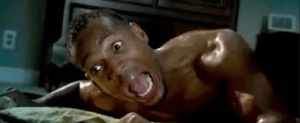
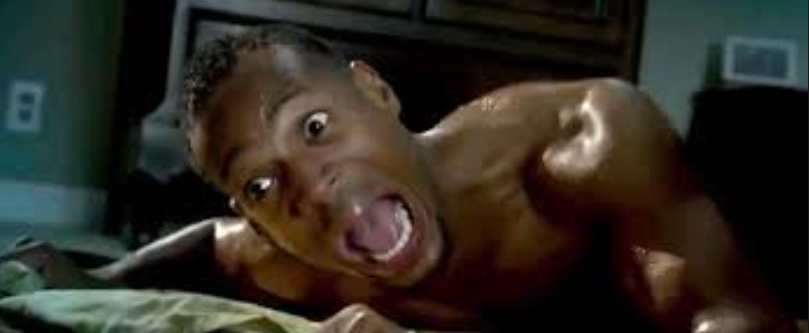
In the years that have followed, more and more Blacks have appeared in horror films, whether they are the first to die or not. The popular and financially lucrative horror film franchise Scary Movie introduced by the Wayans brothers has added to the broad range of the genre. The straight-to-video market has a mass of Black horror titles to choose from with varying degrees of fear, quality and production budgets. With advancing technology that makes film production more affordable to the masses and internet screening outlets such as You Tube and Video-on-Demand, many more Black people will die horrible deaths in horror films to come, but many will also triumph over evil and survive to see another day.
See Black Cinema Databank – Black Horror Filmography for a complete listing. (Note: this listing does not include Blacks in horror titles).
This post is based on the book: Horror Noire: Blacks in American Horror Films from the 1890s to Present by Robin R. Means Coleman. Photo Source(s): Aveleyman.com, Zombicon, Scene Stealer, The Weekly Ansible, IGN, IMDB, Rogerebert.com, Screen Rant, Calvacade of Shock, Blackhorrormovies.com
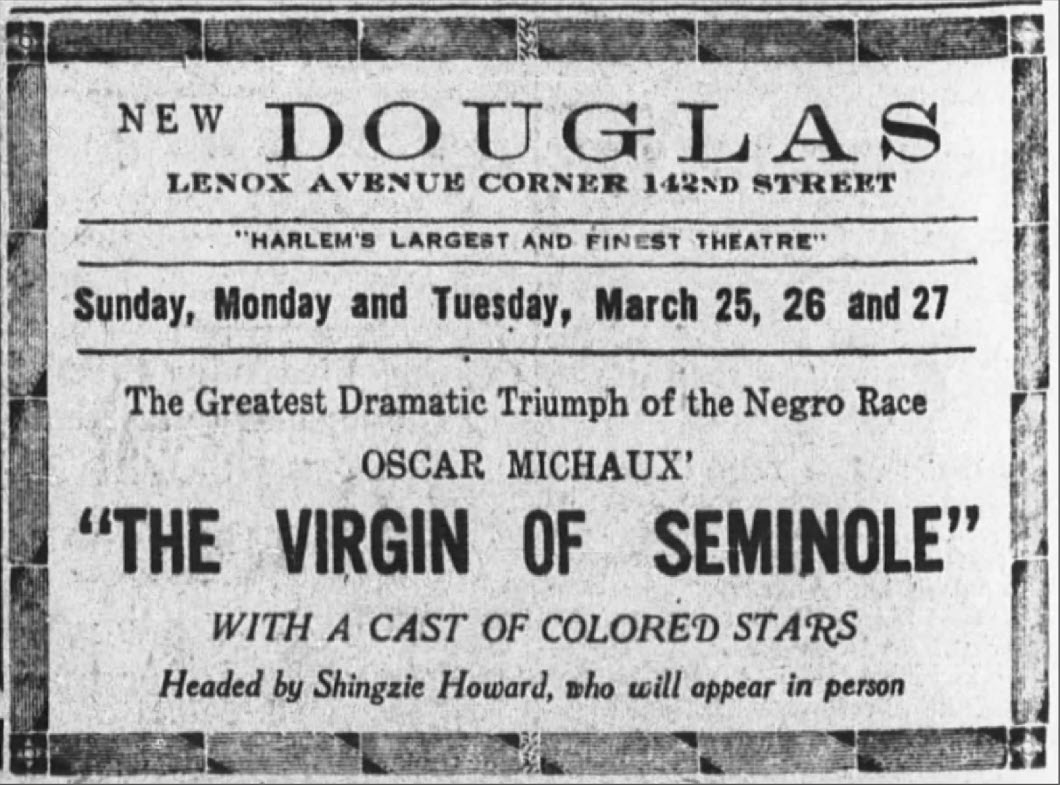
 Release Date: 12/5/1922
 Release Date:





 Black Cinema Connection