African American Actors of the Silent Film Era
Abrams, Edward
Alexander, Chester A.
Allen, Charles
Bates, Leo
Bates, Lester
Beard, Matthew (a/k/a Stymie)
Bishop, Andrew
Brooks, Clarence
Broomfield, Leroy (a/k/a Sugarfoot)
Brown, George Edward
Brown, R. L., Dr.
Burris, Jim
Burrough, James
Catlin, George
Chenault, Jack
Chenault, Lawrence
Collins, Claude
Connor, Edgar
Cook, Jimmie
Cornick, Walter
Criner, J. Laurence
Crowell, William B. F.
Curry, Nathan
Cutler, Marty
De Bulger, Louis
Dean, Louis
DeComathiere, A. B.
DeLavalade, Herman
Dones, Sidney P.
Duncan, Vernon S.
Duree, Robert
Easton, Sidney
Edwards, Grant
Farmer, Jacques
Fountaine, William E.
Fraction, Edward
Gray, Harry
Green, Joe
Griffin, Alex
Hawley, Monte
Haynes, Daniel L.
Henderson, Harry
Hereford, Leon
Hoskins, Allen (a/k/a Farina)
Ingram, Clifford
Ingram, Rex
Jacks, Samuel (a/k/a Sambo)
Jackson, Eugene
Jackson, Freddie
Jenkins, John Wesley
Johnson, Jack
Johnson, John Lester
Johnson, Max
Johnson, Noble
Johnstone, Norman
Jones, Matthew
King, Webb
Langford, Sam
Lee, Ford Washington (a/k/a Buck)
Lew, Meehan
Lovejoy, Alec
Low, James B.
Lucas, Charles D.
Marshall, Jimmy
McClane, Lorenzo
Miller, Flournoy Eakim
Monagas, Lionel
Moore, Charles R.
Morrison, Ernest (a/k/a Sunshine Sammy)
Murphy, Bert
Muse, Clarence
Nelson, Howard
Norcom, Alfred
Olden, Charles
Perry, Lincoln (a/k/a Stepin Fechit)
Pettus, William E.
Pickett. Bill
Pollard, Frank
Ray, Arthur
Reed, George
Reynolds, Steve
Richardson, Walter
Robeson, Paul
Robinson, Bill (a/k/a Bojangles)
Robinson, Sam
Rodgers, Marshall
Ruffin, James D.
Scheffield, Maceo Bruce
Schooler, Lewis/Louis
Simpson, Walter
Smith, William
Starks, Will
Stewart, Dink
Tatum, E.G.
Tatum, Rudolph
Thomas, Reed
Thompson, Edward
Thompson, Walker
Toones, Fred (a/k/a Snowflake)
Tracey, Harry
Tucker, Lorenzo (a/k/a Black Valentino)
Tutt, J. Homer
Verwayen, Percy
Walter, Brogsdale
Washington, Blue
Washington, Isaiah
Whipper, Leigh
Whitney, Salem Tutt
Williams, George
Williams, Spencer
Williams, Virgil
Williams, Zack
Wilson, Frank L.
Woods, Trevy
Photo Sources: African American Registry; Rotten Tomatoes; IMDB; 1843 Magazine; Wikipedia; Wikimedia Commons; Completely Kentucky.

 Release Date: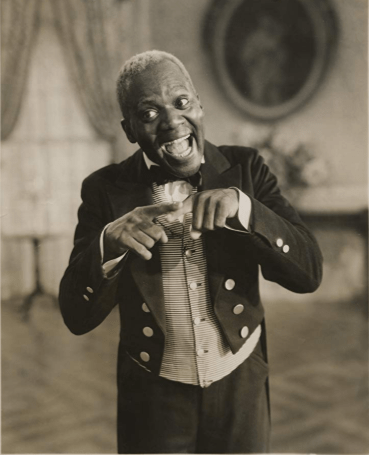


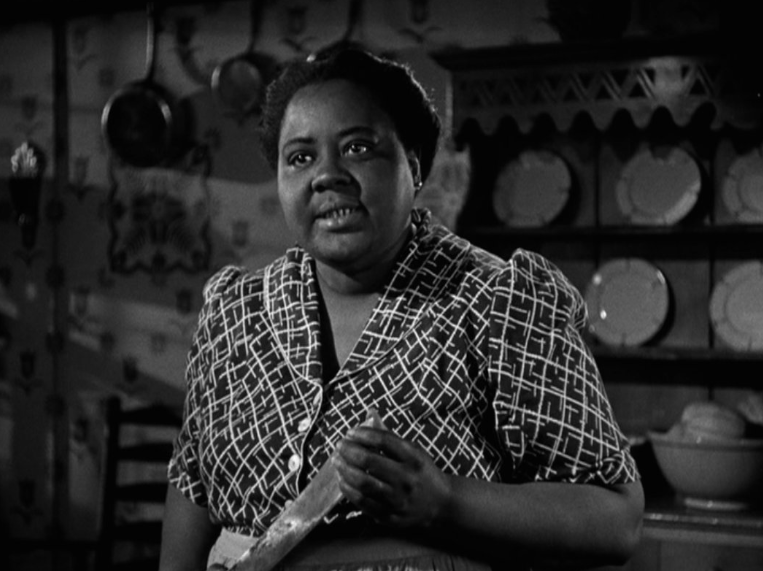


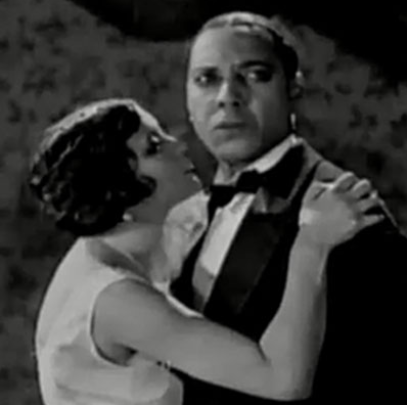
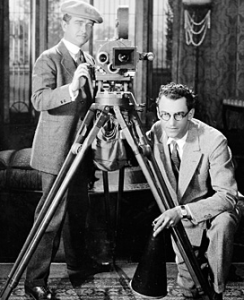 Today’s multi-billion dollar film industry has very humble beginnings. In the 1800s, inventors such as Thomas Edison and the Lumiere Brothers developed machines that projected images. From the beginning, people were excited by the flickering images which eventually grew into narratives that gave structure and dimension to the play of light and movement. This led to the silent movie era which ranged from approximately 1894 to 1929. Silent movies had no synchronized recorded sound, in particular no audible dialogue. To provide atmosphere such as drama or excitement, live music was played in sync with the action on the screen. The plot and key dialogue was often conveyed by the use of title cards consisting of frames of text, either drawn or printed, inserted intermittently throughout the film.
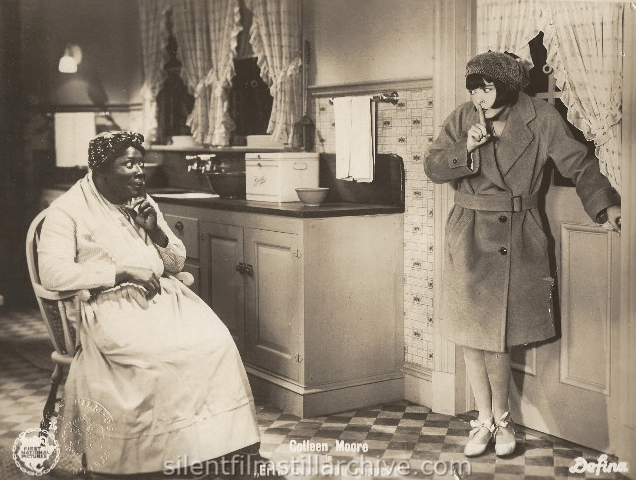 Issues regarding race and ethnicity have permeated American life since colonial times and Motion Pictures transmitted these notions on a grand scale as the incredible power of this new medium was used to perpetuate racist beliefs and create degrading stereotypes. Because the films were written, produced and directed by whites, the characterizations of minorities were embarrassing and crude. These roles were generally played by white actors in make-up as had been the tradition in vaudeville skits. When actual minority actors were employed, their characters were used to further illuminate themes of depravity and decadence. Hispanics and Latinos were portrayed as greasers and bandits; most Asian-Americans were waiters or laundrymen; Blacks were usually cast as servants, simple buffoons or menacing bucks. These roles were not fit for extensive cinematic exploration. Considering the volatile racial climate of the times, even if early Hollywood had wanted to make films that presented a more progressive or tolerant attitude when it came to portraying minorities, theaters showing such films most likely would have been boycotted or worse, burned to the ground.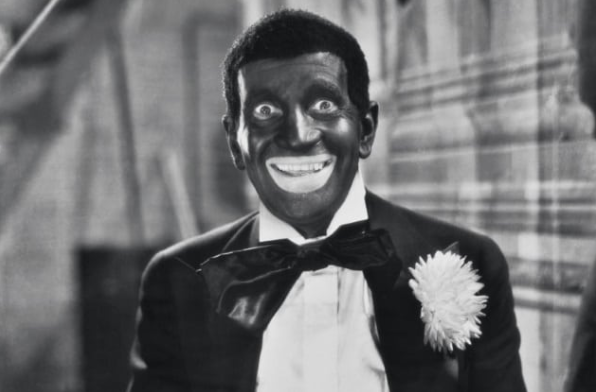
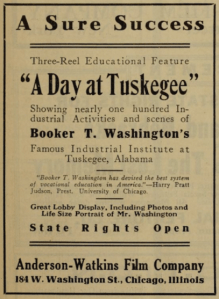 In this era, the first Black filmmakers appeared, determined to tell stories that paid homage to African American life and achievements and present expressions of heroism and bravery, struggle and triumph, love and hate, life and death. Many of the first silent race films were produced by the Hampton and Tuskegee Institutes, and were closely aligned with the racial “uplift” movement, the idea that educated blacks were responsible for the welfare of the majority of the race . A Trip to Tuskegee (1909), John Henry at Hampton (1913), and A Day at Tuskegee (1913) were all products of this historical moment. These films were “actualities”: forerunners to today’s documentaries which showed audiences notable events of the day.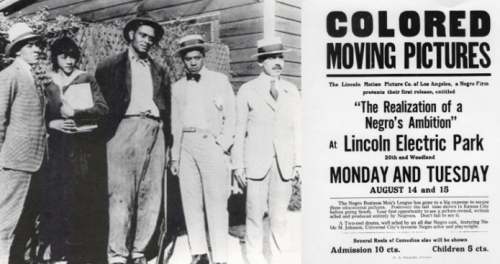


 Black Cinema Connection